


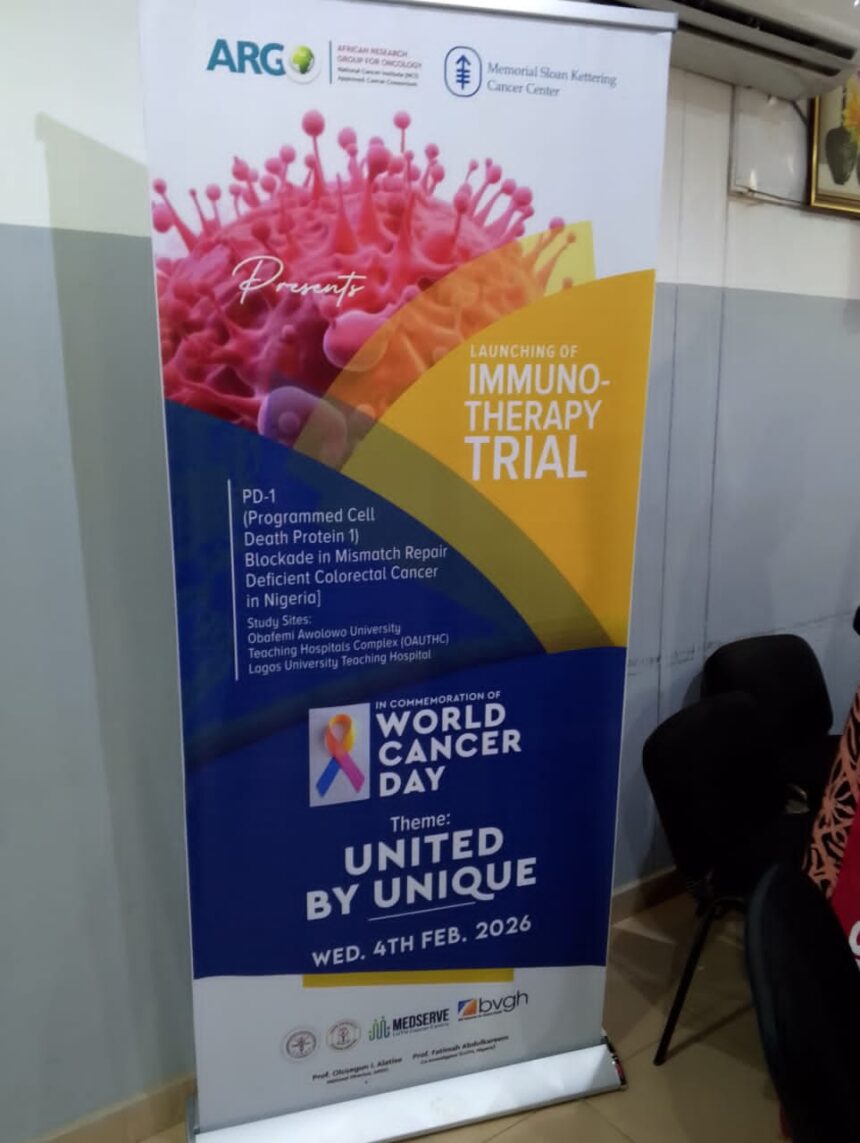
Nigeria has launched its first-ever immunotherapy clinical trial for colorectal cancer, offering free screening and treatment to eligible patients at the Obafemi Awolowo University Teaching Hospital Complex (OAUTHC), Ile-Ife, and the Lagos University Teaching Hospital (LUTH).
The initiative was unveiled at a press conference held at OAUTHC to commemorate World Cancer Day, bringing together medical researchers and global partners committed to improving cancer care outcomes in Nigeria.
The project, described as the first of its kind in the country and the first in Africa to utilise immunotherapy for colorectal cancer, aims to transform treatment options by harnessing patients’ immune systems to fight the disease.
According to the research team led by Professor Alatise, the clinical trial is a global collaboration involving Obafemi Awolowo University, Lagos University Teaching Hospital, Medserve Nigeria, and the Sloan Kettering Cancer Centre in the United States.
Speaking at the event, Dr. Omisore said the programme aligns with the global observance of World Cancer Day, themed “United by Unique.”
“We joined the global community to mark World Cancer Day, a day dedicated to raising awareness, inspiring action, and strengthening efforts to reduce the global burden of cancer… every cancer journey is different, yet we are interconnected by a shared responsibility to improve cancer care and outcomes,” he said.
He noted that cancer survival rates are strongly influenced by geography, with late diagnosis remaining a major challenge in low- and middle-income countries like Nigeria.
“In high-income countries, early detection and treatment save lives every day. However, in countries like Nigeria, many people are diagnosed too late, when treatment options are limited and outcomes are poor,” Dr. Omisore added.

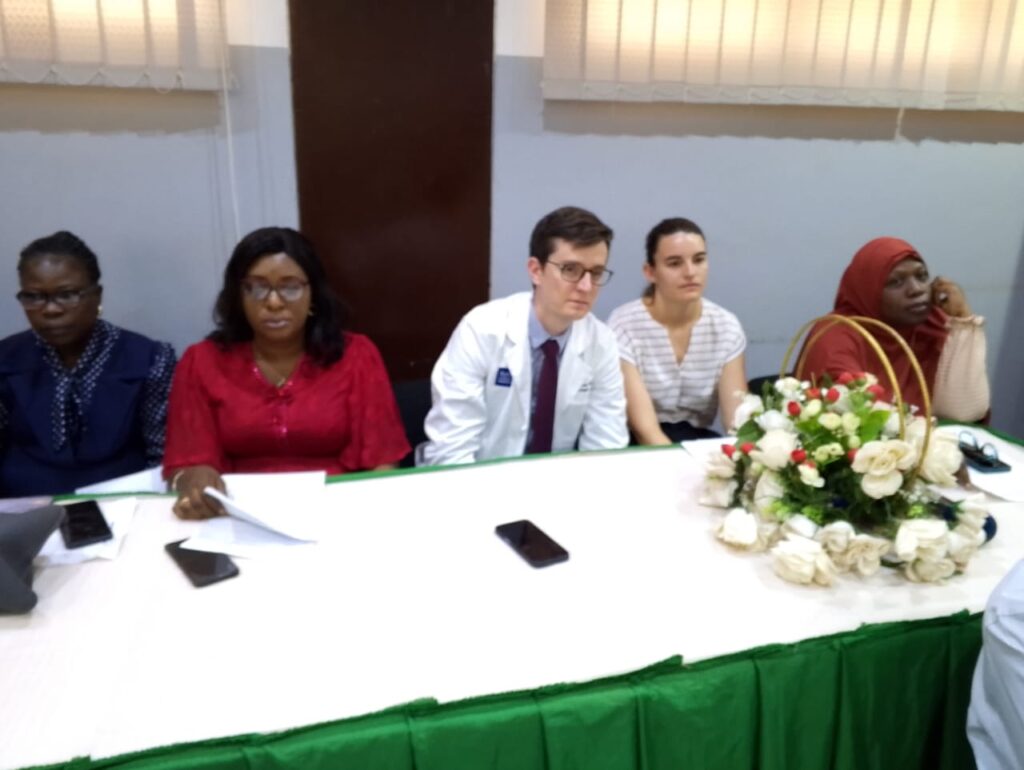

Dr. Moyiola stressed the need for stronger national cancer policies, improved cancer registries, prioritised screening, early detection, and support for local pharmaceutical production to reduce the cost of immunotherapy.
Also speaking, Dr. Folorunsho and Dr. Olasehinde identified key cancer risk factors and highlighted preventive strategies such as immunisation, good hygiene, physical activity, early detection, and prompt treatment.
The theme for the 2026 World Cancer Day is “United by Unique.”